Cooking with herbs is a great way to add flavour and depth to your dishes, but sometimes you might find yourself out of a particular herb or only have access to one form (fresh or dry). In these situations, knowing how to substitute fresh herbs for dry herbs can be a game-changer in the kitchen. With a few simple tips and tricks, you can easily swap out fresh herbs for their dried counterparts without sacrificing flavour. In this blog post, I will share some helpful tips for substituting fresh herbs for dry herbs in your recipes.
Understand the difference
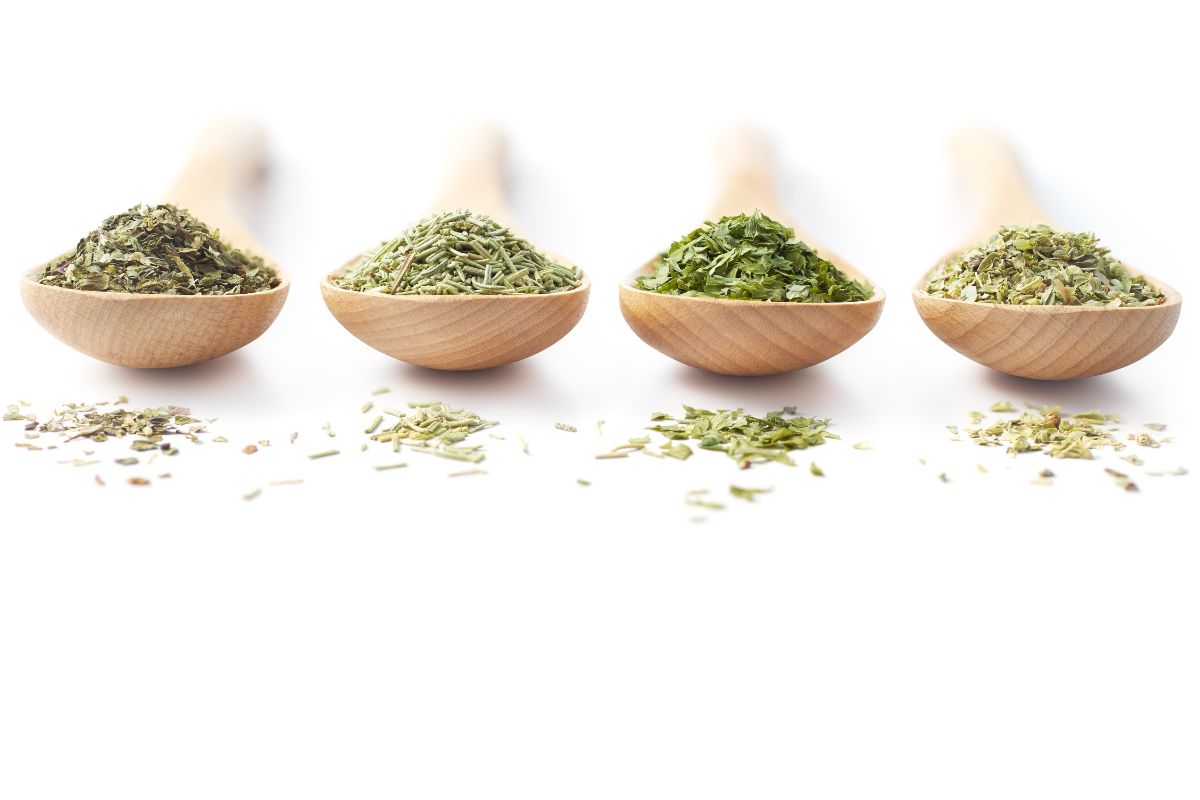
Fresh herbs are more delicate and have a brighter flavour compared to dried herbs, which are more concentrated. When replacing one with the other, keep this in mind. As a general rule of thumb, you will need about three times as much fresh herbs as dried herbs in a recipe.
Adjust cooking time
When using fresh herbs in place of dried ones, it’s important to remember that fresh herbs release their flavours more quickly than dried ones. To prevent them from losing their potency during cooking, add them towards the end of the cooking process or right before serving.
Choose the right herb
Not all herbs work well as substitutes for each other. For example, rosemary and thyme are sturdy enough to withstand drying and retain their flavours well, making them good candidates for substitution. On the other hand, delicate herbs like basil and cilantro are best used fresh, as they lose their flavour when dried.
Consider texture
Fresh and dried herbs have different textures that can affect the overall mouthfeel of your dish. If a recipe calls for dried herbs that are meant to be ground into a powder (like oregano or thyme), consider using a herb grinder or mortar and pestle to crush your fresh herbs before adding them to your dish.
Experiment and taste
Cooking is all about experimenting and finding what works best for your palate. Don’t be afraid to play around with different herb substitutions in your recipes until you find the perfect balance of flavours that you enjoy.
Conclusion
Substituting fresh herbs for dry herbs in recipes doesn’t have to be intimidating – with these tips in mind, you can confidently make swaps that enhance the flavour of your dishes without missing a beat. Remember to adjust quantities, timing, and herb choices based on the specific recipe you’re working with, and don’t forget to trust your taste buds along the way. Happy cooking!