
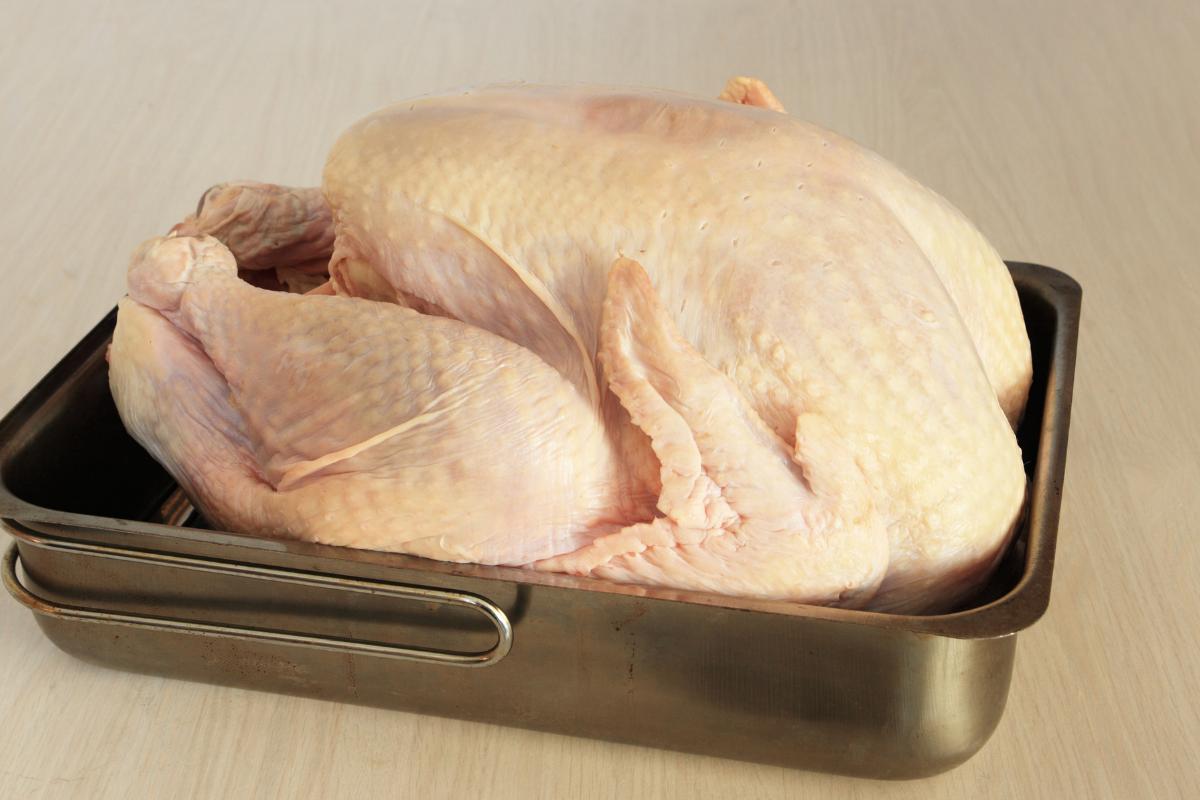
Christmas dinner is the most anticipated meal of the year. It’s a time for gathering with loved ones, sharing delicious food, and making memories. The last thing anyone wants is for those memories to involve a nasty bout of food poisoning. It’s surprisingly easy for germs to spoil the festive cheer, but with a little care and knowledge, you can make sure your Christmas feast is remembered for all the right reasons.
Cooking for a crowd can be stressful, especially with all the different dishes and timings to manage. This guide is here to help you navigate the kitchen with confidence. We’ll walk you through everything from buying your turkey to storing leftovers, giving you simple, clear steps to keep your food safe and your family healthy. Think of it as your secret weapon for a smooth, joyful, and illness-free Christmas celebration. Let’s get cooking!
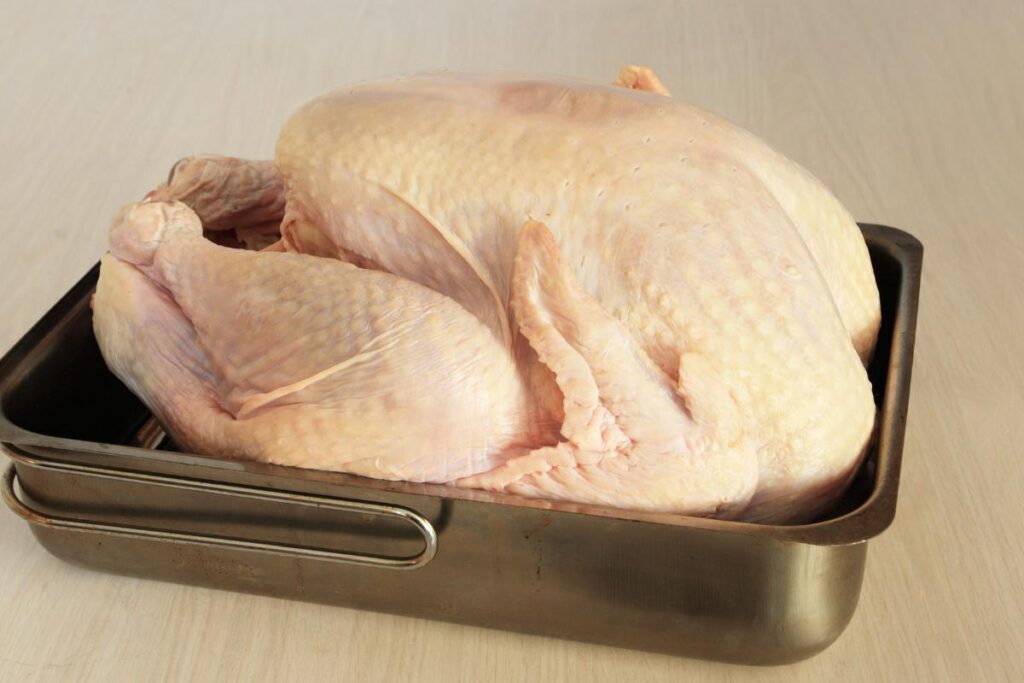
The Danger Zone: What Causes Food Poisoning?
Before we get into the specifics of Christmas dinner, it’s helpful to understand what causes food poisoning. It’s usually caused by eating food contaminated with harmful bacteria, viruses, or toxins. The most common culprits are bacteria like Campylobacter, Salmonella, and E. coli.
These tiny troublemakers thrive in what’s known as the “danger zone”—temperatures between 8°C and 60°C. At these temperatures, bacteria can multiply very quickly. Leaving food out on the side, not cooking it properly, or not chilling it fast enough are common mistakes that can lead to problems. The good news is that following a few simple rules can stop these germs in their tracks.
The Turkey: Your Guide to a Safe Centrepiece
The turkey is often the star of the show, but it also carries the biggest food safety risk if not handled correctly. From defrosting to cooking, here’s how to get it right.
Buying Your Turkey
Whether you choose a fresh or frozen bird, your food safety journey starts at the shop. If you buy a fresh turkey, make sure it’s one of the last things you put in your trolley to keep it as cool as possible. It should feel cold to the touch and be well-wrapped. Use a cool bag for the journey home and put it straight into the fridge when you get there. A fresh turkey should be stored at the bottom of the fridge, on a plate or tray to catch any drips, and cooked by its “use-by” date.
The Great Defrost: How to Thaw a Frozen Turkey
This is where many people go wrong. A frozen turkey needs a lot of time to defrost safely. Thawing it at room temperature is a big no-no, as the outside of the bird will enter the danger zone while the inside is still frozen.
The safest way to defrost your turkey is in the fridge. This takes time, so you need to plan ahead. A good rule of thumb is to allow about 10 to 12 hours per kilogram. For a large 6-7 kg turkey, this could take up to three or four days.
Here’s how to do it:
- Keep the turkey in its original wrapping.
- Place it on a large dish or tray at the bottom of the fridge to prevent any juices from dripping onto other foods.
- Check the packaging for specific defrosting instructions, as times can vary.
- Once it’s fully defrosted, cook it within 24 hours. Before cooking, check inside the cavity for any giblets and remove them.
Cooking the Turkey to Perfection
Cooking your turkey properly is the best way to kill any harmful bacteria. Ovens can vary, so it’s always best to check that the bird is cooked all the way through rather than just relying on timings.
To check if your turkey is cooked:
- Pierce the thickest part of the thigh with a skewer or fork.
- The juices should run clear. If there’s any pink or red, it needs more time in the oven.
- If you have a food thermometer, it’s the most reliable method. The temperature in the thickest part of the bird should be at least 74°C.
- Remember to let the turkey rest for about 30 minutes before carving. This not only makes it juicier but also allows it to finish cooking.
Keep It Clean: The Four Cs of Food Safety
Food safety experts often talk about the “Four Cs”: Cleaning, Cooking, Chilling, and Cross-contamination. These principles are your best defence against food poisoning.
Cleaning is Key
Before you even start preparing food, wash your hands thoroughly with soap and warm water. It seems simple, but it’s one of the most effective ways to prevent the spread of germs. You should also wash your hands after touching raw meat, especially poultry.
Keep your kitchen surfaces clean. Use hot, soapy water to wash chopping boards, utensils, and countertops after they’ve been in contact with raw food. Using an antibacterial spray can provide extra protection.
It’s also important not to wash your turkey before cooking it. This might seem strange, but washing raw poultry can splash germs onto your hands, clothes, and work surfaces. Cooking will kill any bacteria present, so washing is unnecessary and risky.
Avoid Cross-Contamination
Cross-contamination is when germs from raw food spread to ready-to-eat food. This can happen directly, like if raw turkey juices drip onto a cake, or indirectly, like using the same chopping board for raw meat and then for salad.
Here’s how to avoid it:
- Separate Chopping Boards: Use different chopping boards for raw and ready-to-eat foods. A colour-coded system can be helpful: red for raw meat, green for vegetables, and so on.
- Store Food Safely: Always store raw meat on the bottom shelf of the fridge, in a covered container, to prevent juices from dripping onto other foods.
- Clean Utensils: Never use a knife or utensil on cooked food after it has been used on raw meat, unless you wash it thoroughly first.
Handling Those Tasty Trimmings
Christmas dinner isn’t just about the turkey. From pigs in blankets to stuffing and vegetable sides, all your dishes need to be handled with care.
Stuffing Safety
If you’re making stuffing, it’s safest to cook it in a separate dish rather than inside the turkey. Stuffing the bird can slow down the cooking process and may prevent it from cooking all the way through to the centre. This creates a perfect environment for bacteria to grow. If you do choose to stuff your turkey, use a food thermometer to make sure the centre of the stuffing reaches 74°C.
Vegetables and Salads
Vegetables are an important part of Christmas dinner, but they can also carry germs. Always wash all vegetables and salad items thoroughly under cold running water before you use them. This helps to remove any dirt and bacteria from the surface. Once peeled and chopped, keep them separate from raw meat to avoid cross-contamination.
The Art of Storing Leftovers
One of the best parts of Christmas dinner is the leftovers. A turkey sandwich on Boxing Day is a true festive treat! But leftovers need to be stored correctly to be enjoyed safely.
Cool and Store Quickly
The golden rule for leftovers is to cool them down as quickly as possible, ideally within two hours. Leaving food to cool on the side for too long allows bacteria to grow. To speed up the cooling process, you can divide food into smaller portions. Once cooled, cover the leftovers and put them in the fridge or freezer.
How Long Can You Keep Leftovers?
Once in the fridge, your Christmas leftovers should be eaten within two days. If you’ve frozen them, they can last for much longer, but make sure to defrost them properly in the fridge before eating.
Reheating Leftovers Safely
When you reheat leftovers, make sure they are piping hot all the way through. You should only reheat food once. If you’re using a microwave, stir the food halfway through to ensure it heats evenly. A food thermometer is handy here too; the food should reach at least 74°C.
Your Christmas Food Safety Checklist
Feeling a bit overwhelmed? Here’s a quick checklist to help you stay on track.
- Plan Ahead: Plan your menu and shopping list, and make sure you have enough space in your fridge and freezer.
- Defrost Properly: Allow plenty of time to defrost your turkey in the fridge.
- Wash Your Hands: Wash your hands regularly, especially after handling raw meat.
- Separate Raw and Cooked: Use separate chopping boards and utensils, and store raw meat at the bottom of the fridge.
- Cook Thoroughly: Make sure your turkey and other meats are cooked until the juices run clear and they are piping hot all the way through.
- Cool Leftovers Quickly: Get any leftovers into the fridge or freezer within two hours.
- Reheat Safely: Reheat leftovers until they are piping hot.
Have a Happy and Healthy Christmas
Cooking Christmas dinner doesn’t have to be a source of worry. By following these simple food safety steps, you can protect your family and friends and ensure that your festive feast is both delicious and safe. A little bit of care in the kitchen means everyone can relax and enjoy the celebrations without any unwanted after-effects. So, roll up your sleeves, put on your favourite Christmas jumper, and get ready to cook a Christmas dinner that will be remembered for all the right reasons.


