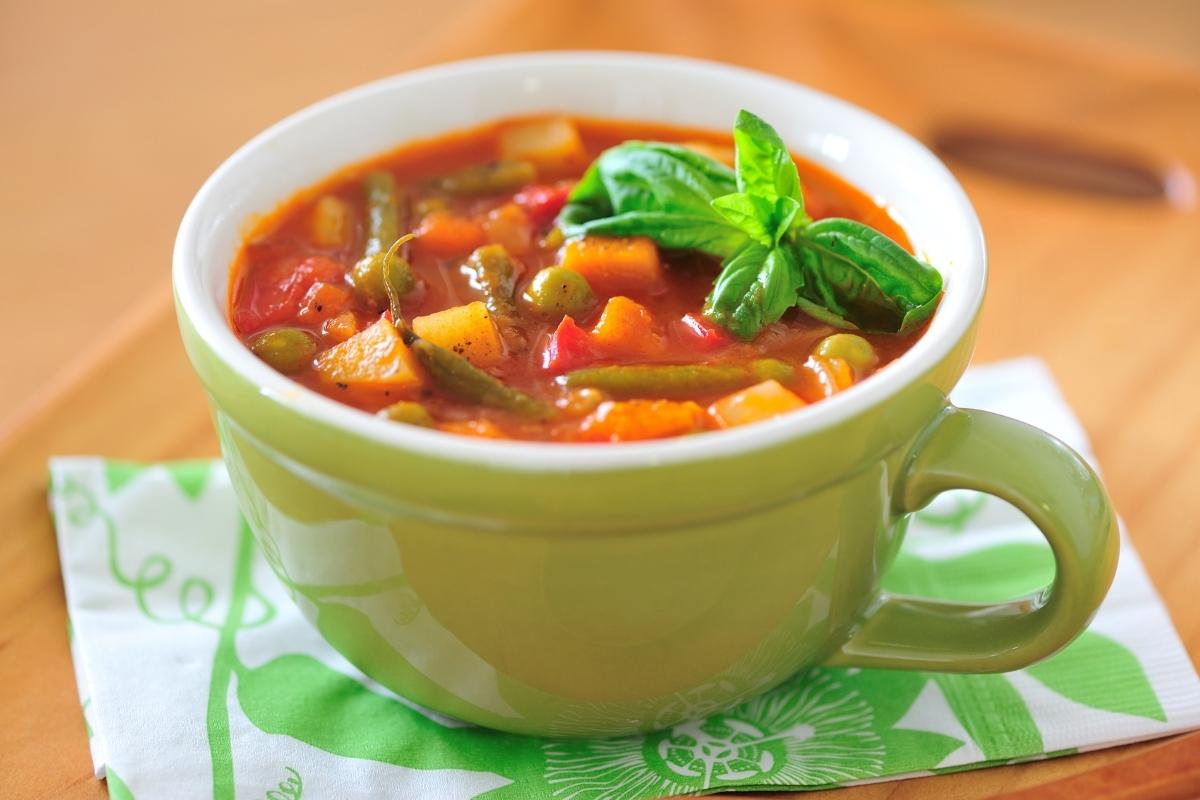
For many, a steaming bowl of soup represents the ultimate comfort. It’s like a warm hug on a cold day, a remedy for the sniffles, or a heartwarming memory in a bowl. But what if your homemade soup is a tad thin, more brothy than hearty? No need to fret, fellow home cooks! Thickening a soup isn’t rocket science, but perfecting that velvety texture does require a bit of know-how. In this comprehensive guide, we’ll explore a spectrum of thickening techniques that can turn your next pot of soup into a rich, indulgent masterpiece.
The Art of Thickening: Beyond Flour and Cornstarch
You might be familiar with the old kitchen trick of using flour or cornstarch to give your soups some more body. These go-to thickening agents are classic for a reason—they’re reliable and pantry staples. But the world of soup-making offers a veritable feast of other methods that can elevate your dish in different ways. From adding richness to avoiding lumps, each approach offers a unique way to customize the texture and taste of your soups.
Flour and Cornstarch: The Basics
- Flour: The most common thickener; it’s often mixed with fat (roux) or liquid (slurry) before being added to the soup to avoid clumping.
- Cornstarch: It is quicker to thicken than flour, but it yields a less stable consistency and works best in clear soups.
Alternative Thickening Agents
- Potato Flakes or Mashed Potatoes: Add texture and subtle flavour, making them perfect for creamy soups.
- Rice: Creates a creamy consistency without additional roux or slurry.
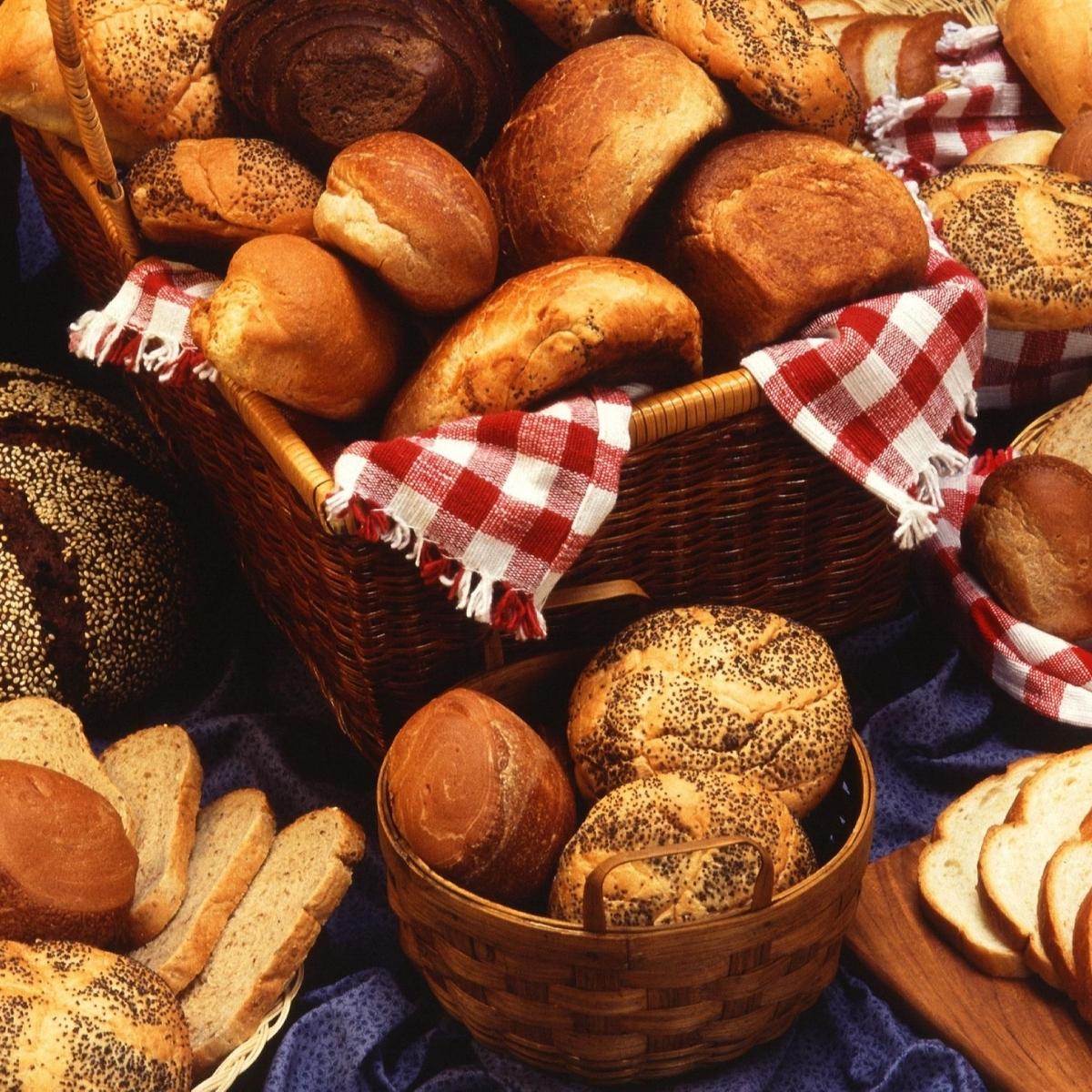
- Bread: Older bread pieces can be blended into a soup for a budget-friendly thickening option, as seen in Spanish cuisine with dishes like Gazpacho.
- Legumes: Pureed beans or lentils are not only healthy but add a custard-like texture to the broth.
- Vegetable Purees: Carrots, squash, sweet potatoes, or cauliflower are great natural thickeners for a soup like this Tomato and Roasted red pepper soup if you find it isn’t as thick as you would like.
- Egg Yolks: Perfect for soups, where they lend a silky texture when slowly whisked into the broth.
- Arrowroot: This gluten-free substitute provides a glossy finish and works best for fruit-based soups or clear broths.
A Method to the Madness
Once you’ve selected your thickening agent, the question becomes when and how to add it to your soup. The key is to integrate it seamlessly, allowing the flavours to meld and the texture to build gradually.
Timing is Everything
- Flour and Cornstarch: For best results, mix these with a bit of soup liquid and add it towards the end of cooking.
- Potato Flakes or Purees: Add about 20 minutes before the end of cooking for a creamy consistency.
- Rice and Legumes: Simmer longer to allow them to break down and integrate into the soup.
- Egg Yolks: Temper them with hot soup before whisking into the pot to prevent curdling.
Incorporation Techniques
- Stirring Constantly: This is crucial when adding flour or cornstarch.
- High-Speed Blending: Use an immersion blender for minimal disruption and maximum smoothness.
- Mashing: A potato masher can break down chunks for a rustic, thickened result.
Tailoring Texture to Taste
The ideal consistency is subjective and can vary depending on the type of soup and personal preference. Understanding the different types of soups and their desired textures helps achieve a tailor-made result.
Creamy vs. Broth-Based Soups
- Creamy: Generally, the thicker the base, the better. Think chowders or bisques.
- Broth-Based: Thinner is traditional here, as in consommé or pho.
Adjusting on the Fly
If your soup is thinner than you’d like, fear not! There are ways to thicken it up even after the fact.
- Reduce: Simmering can help evaporate excess liquid and concentrate flavours.
- Add an Agent: Make a quick slurry and whisk it in carefully to avoid clumps.
- Blend: A quick blitz with an immersion blender can smooth things out.
Flavour First
Thickening your soup should never be at the expense of flavour. Each method of thickening introduces different notes, and you want to ensure they enhance, not overpower, the taste of your creation.
Savoury Soup Thickening
- Roux: Cooked in different shades, from a light blonde to a deep mahogany, each adds distinct flavour and colour.
- Purees: Plan the vegetables used for their compatibility with the soup’s core ingredients.
- Legumes and Rice: They’ll contribute their own earthy flavours, so keep that in mind when planning your seasonings.
Sweet Soup Thickening
- Arrowroot: Allows fruit flavours to shine through.
- Bread and Rice: Bring a subtle sweetness of their own to the mix.
The Troubleshooting Toolkit
Sometimes, despite your best efforts, your soup might not thicken as planned. It’s not a disaster, just an opportunity to refine your technique.
Lumps Be Gone
- Pre-Mixing: Whisk your thickening agent with cold liquid before adding it to hot soup.
- Avoid High Heat: Excessive heat can lead to the agent’s immediate coagulation, resulting in lumps.
Inconsistencies and Separation
- Stir Regularly: Don’t leave your soup unattended, especially after adding a thickener.
- Maintain Simmer: Rapid boiling can cause some thickeners to break down and lose their effect.
The Nutrition Equation
Thickening agents can also impact the nutritional profile of your soup. Make informed decisions to create a balance between taste, texture, and health.
Caloric Considerations
- High-Calorie Thickeners: Be mindful of portions, especially with agents like roux and eggs.
- Healthy Options: Opt for veggie- and legume-based thickeners for a nutritional boost.
Conclusion
Mastering the art of soup-thickening is within reach for any home chef. By selecting the right method, timing it well, adjusting for taste, and troubleshooting with ease, you can ensure that your soups are always the perfect blend of comfort and indulgence. Every bowl has its own story, and with these thickening techniques, you’ll ensure each narrative ends on a satisfying note. Keep experimenting, keep tasting, and keep stirring—your best bowl of soup is just a simmer away.