

This article is sponsored by Klarify.me who offer easy allergy testing you can do at home. None of the advice in this article should be taken as medical advice and if in doubt you should always seek medical advice.
Learning to cook after finding out you have allergies can feel like starting again – there is so much to learn and it’s particularly difficult if you’re not totally sure what you’re allergic to or it’s a really common substance. You get used to it over time, but if you’re struggling here are a few ways to make the transition easier.
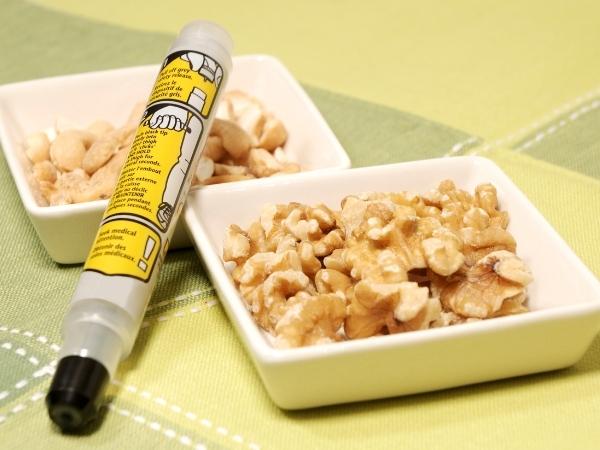
Find out What You’re Allergic to
Often when people experience an allergic reaction they think it’s something really specific, but it could be a lot more prevalent; gluten and lactose intolerances are very common but often get mistaken for other allergies or illnesses. Your first port of call should be to get an allergy testing kit to give you an idea of what you’re reacting to. These usually show several sensitivities so take it in turns to cut things out until you feel better. Once you think you’ve worked it out be sure to follow up with a doctor for a formal diagnosis.
Check Ingredients
If your allergy is something common then you should get used to reading ingredient labels. After a while, you get a sense of the kind of foods that are safe for you, but you should always stop and check to be on the safe side.
Limit Cross Contamination
One of the most important things to consider when cooking for someone that has allergies is to limit cross-contamination. Ideally, this would mean not bringing anything that they’re allergic to into the house, but of course, this depends on the allergy. If the issue is something like gluten and you live with someone else then they’re likely to want normal bread.
When cooking, make sure that your utensils have been thoroughly washed with plenty of soap. If you have an allergy to gluten then you will need to use a separate toaster from anyone else in the house.
Keep Things Separate
One of the easiest ways to keep yourself safe if you have an allergy to something that’s found in a lot of foods is to give yourself a separate area for storage and prep. Assign yourself a cupboard that only stores food for you, and make sure that anyone who goes into your cupboard washes their hands first. Keeping this separate is one of the easiest ways to keep safe.
Keep Informed
Depending on what you’re allergic to, it can appear in so many products that you wouldn’t expect but there are several apps that can help you with this. Apps like Libereat and Open Food Facts allow you to input your allergies then when you scan the product barcode in stores it will tell you if it’s safe for you to eat.
Becoming allergic to something can feel like the end of the world but it doesn’t have to be. It takes some time to get used to avoiding certain foods and changing your habits but it does get easier and will soon feel like second nature so try not to stress.


