
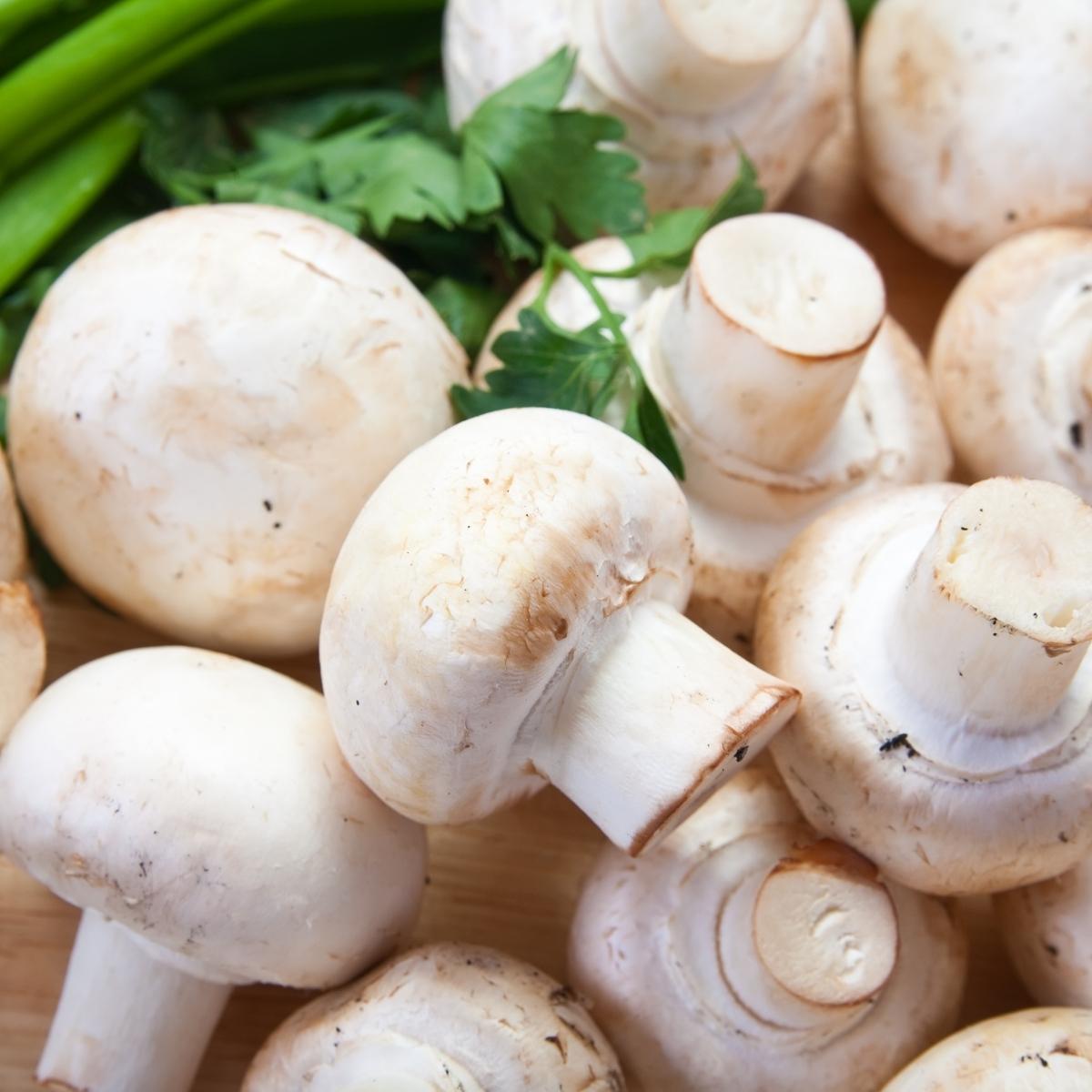
Welcome fellow fungi fans! You’ve stumbled upon The Ultimate Mushroom Enthusiast’s Starter Guide: From Foraging to Cultivation – your one-stop-shop for all things mushroom. Whether you’re a newbie just starting out or a seasoned mycophile looking to expand your knowledge, this guide has got you covered.
Dive in with us as we explore the magical world of mushrooms, learn how to forage responsibly and safely, and even discover how to grow your own delicious shrooms at home. So, grab your favorite field guide, put on your hiking boots, and let’s get started on this fantastic fungi-filled adventure!
What are mushrooms?
Welcome to the enchanting and mysterious world of fungi, where we’ll explore the captivating realm of mushrooms. These remarkable organisms have captured the curiosity and imagination of humans for centuries, with their unusual shapes, vibrant colors, and diverse properties.
As we delve into this fascinating kingdom, you’ll discover the various types of mushrooms that exist, each boasting unique characteristics that set them apart from one another.
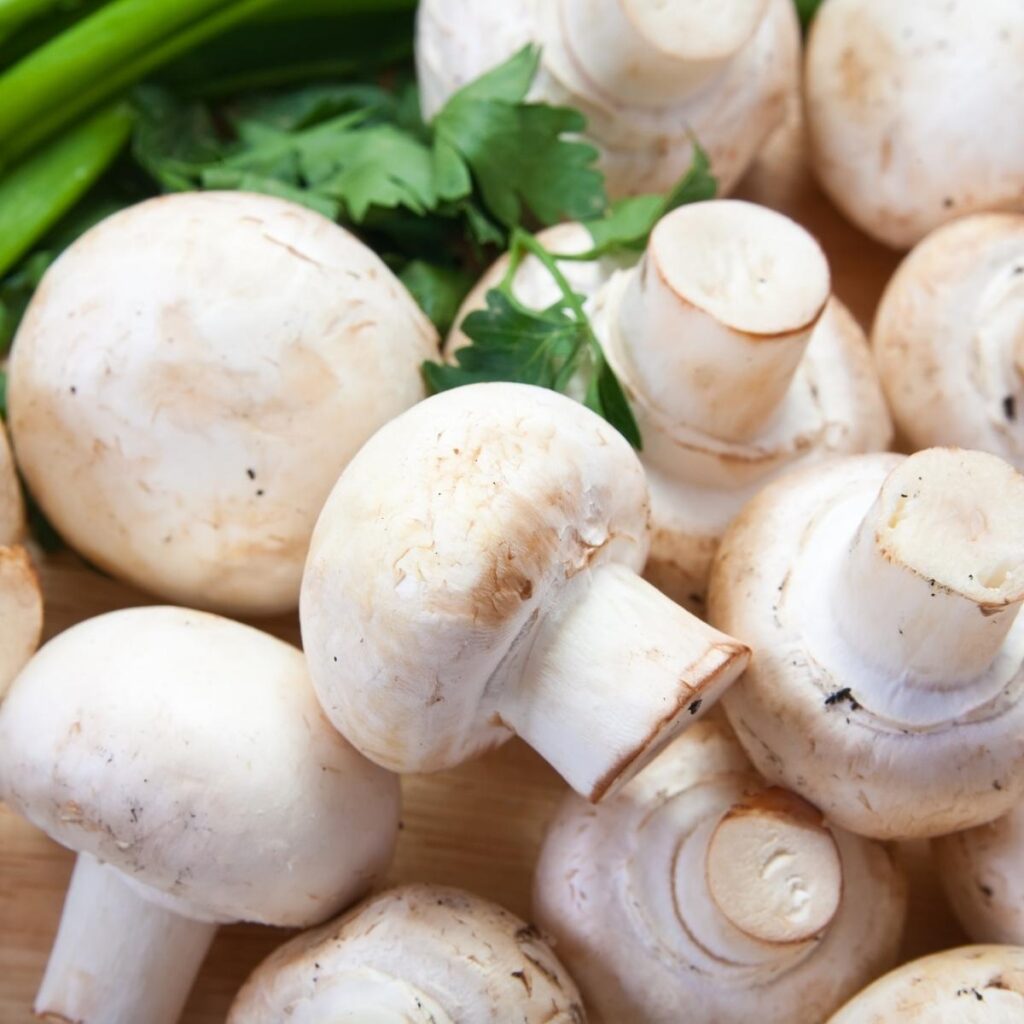
From the common button mushroom to the exotic and mesmerizing bioluminescent species, prepare to be amazed by the incredible diversity and complexity of these humble yet extraordinary life forms. So, let’s embark on a journey together into the wondrous world of fungi and uncover the secrets that lie beneath the forest floor.
What is foraging and how do you do it?
Foraging is the act of searching for and collecting wild food resources, such as plants, mushrooms, and other edible items found in nature. It has been practiced by humans for thousands of years and can be a fun, rewarding, and sustainable way to connect with nature and supplement your diet. Here are some essential tips for identifying, harvesting, and safely consuming wild mushrooms:
1. Learn about local mushrooms species: Before you start foraging, it’s crucial to familiarize yourself with the types of mushrooms that grow in your area. Invest in a good field guide or take a course on mushroom identification. Learn to recognize both edible and poisonous species.
2. Forage in the right season and habitat: Different mushrooms have different growing seasons and preferred habitats. Research when and where the mushrooms you’re interested in can be found. Look for them in forests, fields, or along trails, depending on the species.
3. Bring the right equipment: When foraging, it’s essential to have a basket or a breathable bag to collect your findings, a small knife to cut the mushrooms at the base, and a field guide or a smartphone with a reliable mushroom identification app.
4. Use multiple sources for identification: Always cross-check your findings with multiple sources before consuming any wild mushroom. A single source may not provide enough information to accurately identify a mushroom, so using multiple sources can help reduce the risk of misidentification.
5. Check for key characteristics: Pay close attention to the mushroom’s cap, gills, stem, color, shape, size, and smell. Also, note any changes in color when bruised or cut, as well as the presence of any distinctive features like rings, scales, or veils.
6. Be aware of look-alikes: Some edible mushrooms have toxic look-alikes that can be easily confused. Make sure you can confidently distinguish between these similar species before consuming any wild mushroom.
7. Harvest sustainably: When foraging, be mindful of the environment and practice sustainable harvesting techniques. Cut mushrooms at the base of the stem to avoid damaging the mycelium, and don’t over-harvest a single area to allow for future growth.
8. Cook your mushrooms: Cooking wild mushrooms is essential as it helps to break down any toxins and indigestible compounds that may be present. It also improves their taste and texture.
9. Try new mushrooms in small quantities: When trying a new wild mushroom species for the first time, consume a small amount to ensure you don’t have an adverse reaction. Wait 24 hours before consuming more.
10. Trust your instincts: If you’re uncertain about the identity of a mushroom or its edibility, it’s better to be safe than sorry. Don’t consume any mushrooms you’re not confident in identifying.
Remember, foraging for wild mushrooms can be a fun and rewarding activity, but it’s essential to do so with caution and respect for the environment. Always prioritize safety and education to ensure a positive and enjoyable foraging experience.
How do you grow your own mushrooms
Growing your own mushrooms can be a rewarding hobby, providing you with fresh, delicious, and healthy mushrooms. Here’s a step-by-step guide to help you get started.
1. Choose the right mushroom variety
There are many different types of edible and medicinal mushrooms to choose from. Some popular choices for beginners include oyster mushrooms, shiitake mushrooms, and lion’s mane mushrooms. Research the specific requirements and growing conditions for your chosen species.
2. Gather your materials
To grow mushrooms at home, you’ll need the following materials:
- Mushroom spawn: This is the mycelium, or root system, of the mushroom that will grow into the fruiting body (the part you eat).
- Substrate: This is the material that the mushrooms will grow on. Common substrates include straw, hardwood sawdust, or coffee grounds.
- Containers or bags: You can use plastic containers, glass jars, or specialized mushroom grow bags to hold the substrate and spawn.
- Spray bottle: For misting the mushrooms to maintain humidity.
- Thermometer and hygrometer: To monitor temperature and humidity levels.
3. Prepare the substrate
Different mushroom varieties require different substrates. For example, oyster mushrooms grow well on straw, while shiitake mushrooms prefer hardwood sawdust. Whatever substrate you choose, it’s important to sterilize or pasteurize it to kill any competing organisms. You can do this by boiling, steaming, or soaking the substrate in hot water.
4. Inoculate the substrate with mushroom spawn
Once the substrate has cooled down, mix in the mushroom spawn evenly. Be sure to work in a clean environment to prevent contamination. Transfer the inoculated substrate to your containers or bags, filling them about two-thirds full. Make sure there is enough room for the mushrooms to grow.
5. Incubate the containers
Place the containers in a dark, warm area with a consistent temperature. The ideal temperature varies depending on the mushroom species, but it’s generally between 65-75°F (18-24°C). Keep the substrate moist by misting it with water if it starts to dry out. You should see white mycelium growing and spreading throughout the substrate within a week or two.
6. Initiate fruiting
Once the mycelium has fully colonized the substrate, it’s time to initiate fruiting. Move the containers to a cooler area with indirect light, fresh air, and higher humidity. The ideal temperature for fruiting is usually a few degrees lower than the incubation temperature. Using a spray bottle, mist the surface of the substrate and the inside of the container to maintain humidity levels around 90%.
7. Harvest your mushrooms
After a few days to a couple of weeks, depending on the species, you should see small mushroom pins forming. These will grow into mature mushrooms within a week or so. Harvest the mushrooms by gently twisting and pulling them from the substrate. Be sure to harvest before the caps open fully and release their spores.
What are the health benefits of mushrooms?
Mushrooms are a popular and versatile ingredient in many cuisines around the world. They come in various shapes, sizes, and flavors, and offer numerous health benefits. Here are some of the key nutritional values and potential health benefits of various mushroom species:
- Rich in Nutrients: Mushrooms are low in calories, fat-free, and a good source of fiber. They also contain essential vitamins and minerals such as vitamin D, vitamin B, potassium, selenium, and copper.
- Boost Immune System: Some mushrooms, like shiitake, maitake, and reishi, have immune-boosting properties. They contain compounds called beta-glucans, which help to stimulate the immune system and promote overall health.
- Antioxidant Properties: Mushrooms are rich in antioxidants, particularly ergothioneine and glutathione, which help protect cells from damage caused by free radicals. These antioxidants can help reduce inflammation and the risk of chronic diseases.
- Heart Health: Mushrooms contain dietary fiber, potassium, and vitamin C, which can help lower blood pressure and cholesterol levels, reducing the risk of heart disease.
- Cancer Prevention: Some studies suggest that certain mushrooms, such as shiitake, maitake, and turkey tail, may have cancer-fighting properties. They contain compounds like beta-glucans, polysaccharides, and lectins, which may inhibit tumor growth and boost the immune system.
- Weight Management: Due to their low calorie and high fiber content, mushrooms can be a great addition to a weight loss diet. They can help you feel fuller for longer, reducing overall calorie intake.
- Brain Health: Mushrooms contain compounds like ergothioneine, which may help protect the brain from age-related cognitive decline. Additionally, the B vitamins in mushrooms support healthy brain function and neurotransmitter production.
- Diabetes Management: The fiber and low glycemic index of mushrooms can help regulate blood sugar levels, making them a suitable food choice for people with diabetes.
- Bone Health: Some mushroom varieties, like maitake and shiitake, are good sources of vitamin D, which is essential for maintaining strong bones and preventing osteoporosis.
- Gut Health: The prebiotic content in mushrooms, such as beta-glucans, can help support the growth of beneficial bacteria in the gut, promoting a healthy digestive system.
How are mushrooms being used in new ways?
Mushrooms have been a staple in our diets for centuries, but their potential goes far beyond traditional culinary uses. Today, researchers and innovators are discovering the immense possibilities that fungi offer in various fields. From sustainable agriculture to environmental remediation, mushrooms are proving to be a versatile and eco-friendly solution to many challenges we face.
Here are some of the innovative ways mushrooms are being used:
1. Sustainable agriculture:
Mycelium, the root-like structure of mushrooms, has shown potential as a natural pesticide and fertilizer. By forming symbiotic relationships with plant roots, mycelium can improve soil health, increase nutrient absorption, and protect plants from disease and pests. This sustainable approach reduces the need for synthetic fertilizers and pesticides, ultimately promoting a healthier ecosystem.
2. Biodegradable packaging:
Mushrooms can be used to create biodegradable packaging material called mycelium-based foam. This eco-friendly alternative to plastic and Styrofoam is grown by combining mycelium with agricultural waste. Once fully developed, the material is heat-treated to stop growth, creating a lightweight, durable, and compostable packaging solution.
3. Environmental remediation:
Mushrooms have an incredible ability to break down toxins and pollutants in a process known as mycoremediation. They can absorb heavy metals, break down hydrocarbons, and decompose plastic waste, making them a valuable tool in cleaning up contaminated environments.
4. Biofuel production:
Researchers are exploring the potential of fungi to produce biofuels like ethanol and biodiesel. Certain strains of mushrooms can break down lignocellulosic biomass, such as wood chips and agricultural waste, into fermentable sugars. These sugars can then be converted into biofuels, offering a more sustainable energy source.
5. Alternative protein source:
As the global population grows, the demand for protein-rich food increases. Mushrooms can serve as an alternative protein source, with some varieties containing up to 30% protein by dry weight. Additionally, they require fewer resources to grow compared to traditional livestock, making them a more sustainable option.
6. Mental health and wellness:
Recent studies have shown promising results in using compounds found in certain mushrooms, like psilocybin, to treat mental health disorders such as depression, anxiety, and PTSD. While research is still ongoing, this field holds immense potential for the future of mental healthcare.
In conclusion, the future of fungi is bright, with new applications and innovations continually emerging. As we strive for a more sustainable and eco-friendly world, mushrooms are proving to be valuable allies in tackling some of our most pressing challenges.
Conclusion
In conclusion, this guide has provided valuable insights and practical steps to help you navigate the topic at hand. By understanding the key concepts, techniques, and best practices, you are now better equipped to apply this knowledge in your own endeavors. Remember that continuous learning and adaptation are crucial for success in today’s ever-evolving world.
As you progress on your journey, don’t hesitate to revisit the information in this guide, share your experiences with others, and seek out additional resources to further expand your expertise. Ultimately, your dedication to mastering this subject will not only benefit you personally but also contribute to the broader community and foster positive change in the world around you.
