This is a collaborative post
Food allergies affect millions of people worldwide. For them, even tiny amounts of the wrong ingredient can be dangerous. That’s why food manufacturers are turning to artificial intelligence to make our food safer than ever before.
AI food safety systems are changing how companies detect and prevent allergens in food production. These smart technologies can spot problems faster and more accurately than human workers alone. Let’s explore how this technology works and what it means for consumers.
The Growing Challenge of Food Allergen Detection
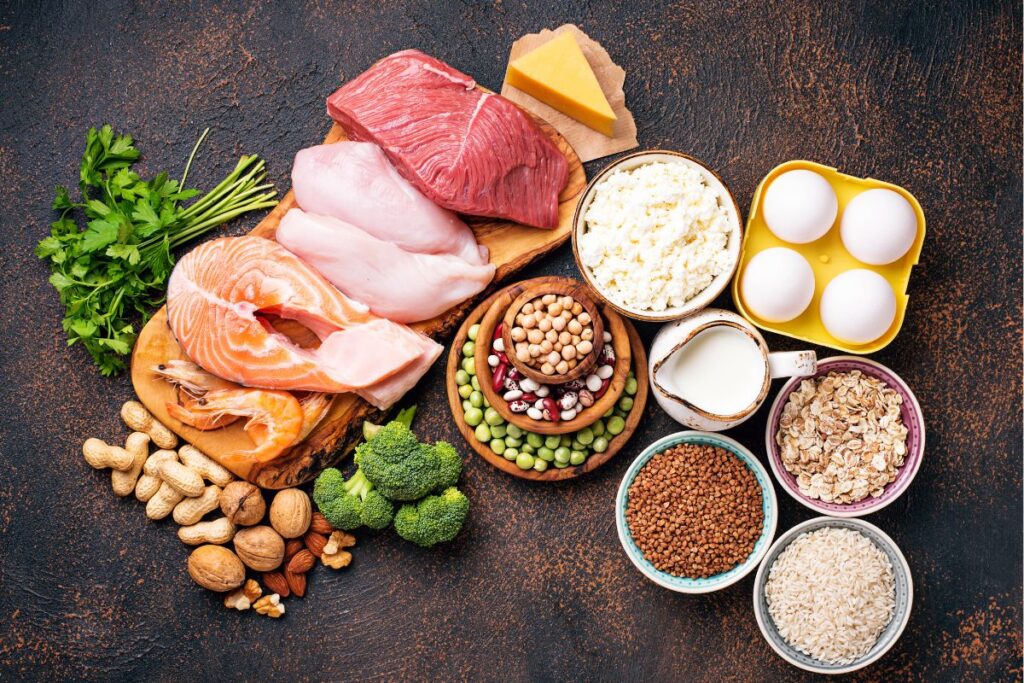
Food allergies are more common now than they were 20 years ago. Eight major allergens cause 90% of all food allergy reactions: milk, eggs, fish, shellfish, tree nuts, peanuts, wheat, and soybeans.
When these allergens accidentally get into foods that shouldn’t contain them, it creates a serious problem. Cross-contamination can happen in many ways during food production. Maybe a factory makes both peanut butter and jam on the same equipment. Or perhaps wheat flour particles float through the air and land in a gluten-free product.
Traditional methods of checking for allergens often happen too late in the process. By the time lab tests come back, thousands of products might already be packaged and ready to ship. This is where AI steps in to help.
How AI Makes Food Production Safer
Artificial intelligence uses computer systems that can learn and make decisions like humans do. But they work much faster and never get tired or distracted.
In food production, AI systems watch the entire process from start to finish. They can spot potential problems before they become serious issues. Here’s how they do it:
Smart Sensors and Monitoring
AI systems use special sensors to constantly check what’s happening in food factories. These sensors can detect tiny particles in the air, changes in temperature, or even smell different ingredients.
When the AI notices something unusual, it can alert workers immediately. This means problems get fixed quickly, before they affect large batches of food.
Pattern Recognition
AI is excellent at recognising patterns. It can learn what normal food production looks like. When something doesn’t match the normal pattern, the AI flags it as a potential problem.
For example, if peanut dust usually appears in certain areas of a factory, the AI will watch those spots extra carefully. It can warn workers if the dust starts showing up in areas where it doesn’t belong.
Industrial Vision Systems: The Eyes of AI Food Safety
One of the most exciting developments in AI food safety is industrial vision systems. These are like super-powered cameras that can see things human eyes might miss.
How Vision Systems Work
Industrial vision systems take thousands of pictures every minute as food moves through production lines. The AI analyses each image instantly, looking for signs of contamination or allergens.
These systems can spot individual particles that are smaller than a grain of sand. They can also identify different types of ingredients by their shape, colour, or texture.
Real-Time Detection
Unlike traditional testing methods that take hours or days, vision systems work in real-time. They can stop production lines immediately if they spot a problem. This prevents contaminated products from moving forward in the process.
The systems can also sort products automatically. If they detect an allergen in one item, they can remove just that item without affecting the rest of the batch.
Learning and Improving
AI vision systems get better over time. They learn from every image they analyse. This means they become more accurate at spotting problems and less likely to give false alarms.
The systems can also share information with other factories. If one location discovers a new type of contamination pattern, all connected facilities can learn from it instantly.
Benefits for Food Manufacturers
AI food safety systems offer many advantages for companies that make our food:
Faster Response Times
When problems are caught early, they’re easier and cheaper to fix. AI systems can identify issues in seconds rather than hours or days.
Reduced Waste
By catching problems early, less food needs to be thrown away. This saves money and reduces environmental impact.
Better Quality Control
AI systems never get tired or distracted. They maintain consistent quality standards 24 hours a day.
Compliance Made Easier
Food safety regulations are strict and complex. AI systems can help ensure companies meet all requirements automatically.
What This Means for Consumers
The benefits of AI food safety extend far beyond factory walls. Here’s how consumers benefit:
Safer Food
The most obvious benefit is safer food. AI systems catch potential allergen problems before products reach shop shelves. This means fewer recalls and safer meals for everyone.
Better Labelling
AI systems help ensure that food labels are accurate. When manufacturers know exactly what’s in their products, they can provide better information to consumers.
More Food Options
As allergen detection becomes more reliable, manufacturers may feel more confident creating new products. This could lead to more choices for people with food allergies.
Lower Costs
Preventing problems is cheaper than fixing them after they happen. These savings can be passed on to consumers through lower prices.
The Future of AI in Food Safety
AI food safety technology is still developing. Future systems might be able to detect even more types of problems, such as:
- Bacteria and other harmful microorganisms
- Chemical contaminants
- Nutritional inconsistencies
- Packaging defects
These advances could make our food supply even safer and more reliable.
Challenges and Considerations
While AI food safety systems offer many benefits, they also face some challenges:
Cost of Implementation
AI systems require significant investment. Smaller food manufacturers might struggle to afford the latest technology.
Training Requirements
Workers need to learn how to use and maintain AI systems. This requires time and training programmes.
Technology Limitations
AI systems are powerful, but they’re not perfect. They work best when combined with human oversight and traditional safety measures.
Making Food Safer for Everyone
AI food safety systems represent a major step forward in protecting consumers from allergens. By using smart technology to monitor food production constantly, manufacturers can catch problems faster and more accurately than ever before.
Industrial vision systems and other AI tools are already making a difference in factories around the world. As this technology continues to improve, we can expect even safer food in the future.
For consumers, this means greater confidence in the food they buy. For people with food allergies, it could mean the difference between a safe meal and a dangerous reaction.
The combination of human expertise and artificial intelligence is creating a new standard for food safety. While technology can’t solve every problem, it’s certainly making our food supply safer and more reliable for everyone.