Cornflour, also known as cornstarch in some parts of the world, is one of those ingredients you might have in your pantry but rarely tap into its full potential. It sits quietly on the shelf, unassuming but mighty, ready to rescue sauces that are too runny and add a lush texture to desserts. But do you really know how to unlock all its possibilities?
Whether you’re a seasoned home cook or a budding baking enthusiast, understanding how to use cornflour effectively can elevate your culinary creations. This guide will walk you through the best cornflour uses, when (and how) to use it as a thickening agent, and what makes it essential in many cornstarch recipes.
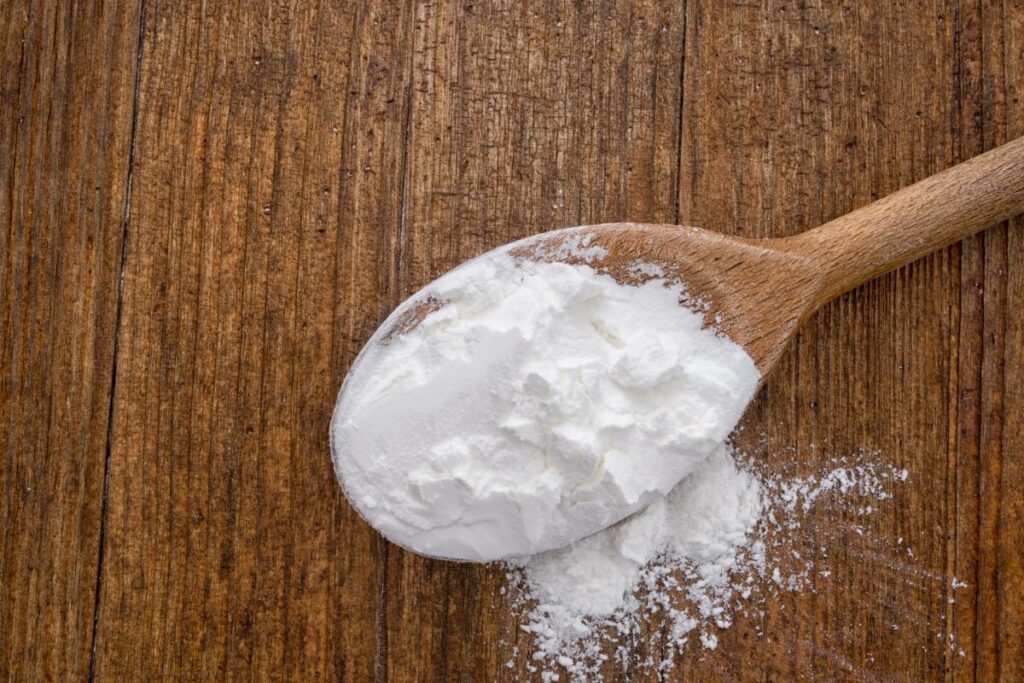
What is Cornflour?
Cornflour is a fine, powdery substance made from the starchy part of corn kernels. Unlike cornmeal, which is coarser and made from the entire kernel, cornflour is purely starch. This unique composition gives it its star quality in the kitchen, allowing it to thicken, bind, and add a silky texture to a variety of dishes.
While it serves as a culinary multitasker, keep in mind that cornflour isn’t typically used as a standalone ingredient. It works best in combination with liquids or as a component in recipes where its magic can truly shine.
Why is Cornflour Such a Great Thickening Agent?
One of the most common cornflour uses is as a thickening agent, thanks to its ability to form a gel-like consistency when mixed with liquid and heat. This property comes from its starch molecules, which swell and absorb water when exposed to heat, creating a smooth, glossy texture.
If you’ve been frustrated by lumpy gravy or watery custards, cornflour could be your saviour. However, it’s not a “throw and stir” situation. Cornflour requires a bit of technique to get it right. Here’s how to do it like a pro:
- Always mix it with cold liquid first. Creating a slurry (a mix of cornflour and water or another cold liquid) ensures the powder dissolves evenly, so you don’t end up with clumps in your sauce.
- Add the slurry to your dish towards the end of cooking to avoid over-cooking the starch. Overheating can break down the thickening properties.
- Use sparingly. A little goes a long way, so start with 1 tablespoon per cup of liquid, and adjust as needed.
Recipes That Benefit from Cornflour Thickening
- Gravy and Sauces: Say goodbye to watery gravies. From silky béchamel to shiny sweet-and-sour sauce, cornflour is your go-to.
- Custards and Creams: Thick, velvety textures in custards, pastry creams, and even curd make desserts feel indulgent.
- Soups: Thicken broth-based soups without affecting their flavour. A light cornflour slurry can make hearty soups extra comforting.
Key Cornflour Uses in the Kitchen
Cornflour isn’t just reserved for thickening; it plays starring roles in other areas of the kitchen too. Here’s a breakdown of its versatility:
1. Making Light and Crispy Coatings
When paired with flour or used on its own, cornflour creates that ultra-light, crispy texture we all love on fried foods. Think tempura batter or fried chicken that crunches in just the right way.
Tip: Replace half the regular flour in your batter mixture with cornflour for a crispier result.
2. Perfecting Baked Goods
Cornflour is a secret weapon in baking. It can soften textures, add structure to cakes, and even make shortbread that melts in your mouth.
Try this: Replace a portion of your flour with cornflour in sponge cakes for a tender, delicate crumb.
3. Creating Glossy Fruit Fillings
Cornflour is essential in fruit pies, cobblers, and tarts to prevent the dreaded soggy bottom. Its thickening power, mixed with natural fruit juices, can turn any filling into a glossy, stable masterpiece.
Pro tip: Combine cornflour with sugar before adding to your fruits so it disperses evenly without clumping.
4. Giving Stir-Fries that Authentic “Takeaway” Finish
You know that slightly sticky but silky consistency of sauces in good stir-fries? That’s cornflour at work. Stir a little into soy sauce or broth, and toss with your meats and veggies for perfectly coated dishes.
Bonus: Cornflour also tenderises proteins, so marinate your chicken or beef in a mix of soy sauce and cornflour for an added touch of magic.
5. Thickening Plant-Based and Dairy-Free Dishes
Cornflour offers an excellent plant-based solution to thicken soups, stews, and sauces without the need for cream or butter. It’s a great option for vegan cooking or creating lighter versions of your favourite comfort foods.
The Dos and Don’ts of Using Cornflour
While cornflour is straightforward to use, there are a few rules to follow for the best results.
Dos:
- Always dissolve cornflour in cold liquid before adding it to hot dishes.
- Add it towards the end of cooking to maintain its thickening power.
- Experiment in small quantities; you can always add more if needed.
Don’ts:
- Avoid overcooking. Too much heat can break down the starch and cause it to lose its thickening properties.
- Don’t mix it directly into hot liquids. This will result in clumps you’ll never get rid of.
- Refrain from freezing recipes thickened with cornflour. Once thawed, the structure can become watery and unappetising.
FAQs About Cornflour
Can I use cornflour instead of flour as a thickener?
Yes, cornflour is a stronger thickener than flour, so you’ll need less. However, it doesn’t tolerate reheating or freezing as well as flour.
Is cornflour suitable for gluten-free cooking?
Absolutely! Cornflour is naturally gluten-free, making it perfect for gluten-free cooking and baking.
What’s the difference between cornflour and cornstarch?
None, really. Whether you see “cornflour” or “cornstarch” on the label is just a regional difference in terminology.
Can I substitute arrowroot or tapioca for cornflour?
Yes, both can work for similar purposes, though each has slightly different properties. Tapioca, for instance, is better for freezing.
Take Your Kitchen Skills to the Next Level
From thickening sauces to perfecting desserts and adding crunch to fried dishes, cornflour is the unsung hero of the home kitchen. With these tips and techniques, you can turn this humble pantry staple into a powerful ally for all your culinary adventures.
Now, it’s time to experiment. Why not try one of your favourite recipes and put these cornflour tips to the test? You’ll never look at this fine white powder the same way again.