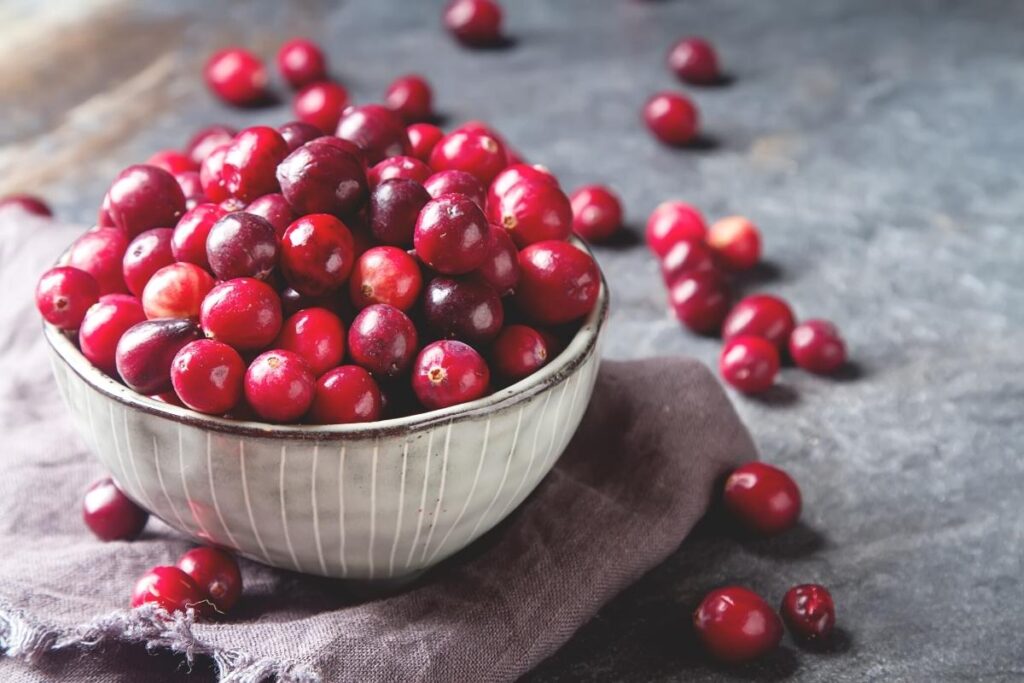
Cranberries are usually associated with holidays, and the obligatory bowl of cranberry sauce adorns every traditional Thanksgiving dinner table. Unfortunately, many people relegate the cranberry to these occasions alone, missing out on the many astounding health benefits of cranberries and especially, cranberry juice.
The small, round fruit known as the cranberry has a taste so tart that it is rarely found unsweetened in any product. But, as researchers are constantly discovering, this tiny berry whose acidic taste is unpalatable in its unadulterated form, is a powerhouse of health.
We already know that cranberries can help to prevent urinary infections. But there is more: the antioxidant properties of this small red berry could be beneficial for the health of the heart!
Antioxidants vs. free radicals
Antioxidants are found mainly in fruits and vegetables, red wine, tea, and dark chocolate. Nutritionists and scientists tell us that antioxidants could help to prevent cancer, and this is why it is important to eat a lot of antioxidants. But what are antioxidants, and what do they do?
Antioxidants are molecules that act as a system of defence for your body. They attack free radicals, which are very unstable molecules. These molecules are trying to react with other molecules, damaging at the same time healthy cells and tissues.
Free radicals are, in a sense, waste that is produced when cells are functioning and extracting energy from food. Antioxidants link themselves to free radicals in order to prevent them from combining with oxygen, a process thought to be largely responsible for premature ageing. So eating food that contains antioxidants may keep you young longer.
A lot of benefits to a small fruit
The cranberry, one of the most antioxidant fruits, could reduce the risk of developing atherosclerosis, an obstruction of arteries by cholesterol. Atherosclerosis occurs when too much LDL cholesterol, often called “bad cholesterol,” accumulates in artery walls, resulting from excessive oxidation by free radicals. Antioxidants will prevent this oxidation, which could reduce the risk of cardiovascular disease.
A study was done on 30 men who were overweight at the time of the study. Half of them drank light cranberry juice for three months, and the other half drank a placebo. The doctor observed that a portion of 250 ml of cranberry juice significantly increased the level of HDL cholesterol, often called “good cholesterol.”
Even if the latest study reveals the potential of cranberry to increase the level of HDL cholesterol and to decrease the level of LDL cholesterol, further studies are needed to determine whether antioxidants can really prevent cardiovascular diseases. That would be another reason to drink more cranberry juice!
Check out these cranberry condiment recipes and this cranberry sauce for pork for some ideas to help you use them.